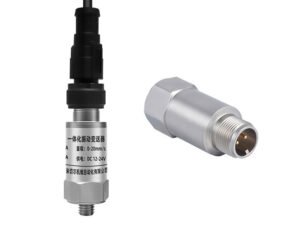
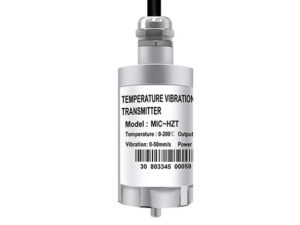
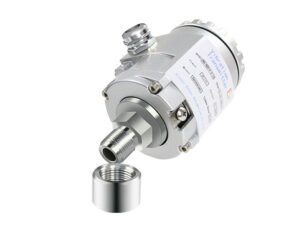
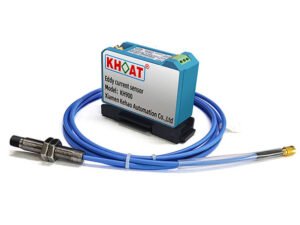
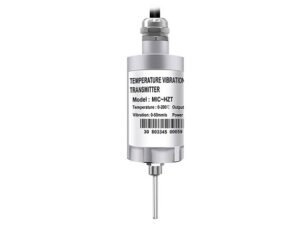
First, ensure that the installation environment is suitable. Avoid direct contact of the sensor with extreme temperatures, humidity, and corrosive substances, as these factors may impair its accuracy and lifespan. Second, correct model selection is of utmost importance. Choose an appropriate sensor model based on the measurement range, accuracy requirements, and working environment to ensure accurate and reliable data.
During the installation process, it is imperative to follow the manufacturer's guidelines and pay attention to the orientation to prevent measurement errors caused by incorrect installation. Meanwhile, regularly inspect the sensor's connecting wires to ensure there are no issues such as looseness, short circuits, or poor contact, all of which may affect the quality of signal transmission.
During use, keep the surface of the sensor clean to prevent the accumulation of dust, oil stains, etc., which could affect measurement sensitivity. For sensors that require calibration, calibrate them according to the specified cycle and method to ensure the accuracy of measurement results.

Here are specific precautions for the application of pressure sensors:
-
Avoid contact between the collector and corrosive or overheated substances.
-
Prevent the accumulation of debris on the surface of the measured object.
-
When measuring liquid pressure with a Pressure sensor, the pressure tap should be opened on the side of the process pipeline to prevent sediment and slag accumulation.
-
When measuring air pressure, the pressure tap should be opened at the top of the process pipeline, and the smart transmitter should also be installed at the upper part of the process pipeline to facilitate the easy introduction of accumulated liquid into the process pipeline.
-
The pressure sensor's impulse pipe should be installed in an area with minimal temperature fluctuations.
-
When measuring steam or other high-temperature substances, install a buffer tube (such as a coil pipe) or other coolers to prevent the operating temperature of the smart transmitter from exceeding the limit.
-
In winter, when freezing occurs, smart transmitters installed outdoors must take anti-freezing measures to prevent the liquid inside the pressure-introducing port from expanding due to freezing, which could damage the sensor.
-
When measuring liquid pressure with a pressure sensor, the installation position of the smart transmitter should avoid liquid impact (water hammer phenomenon) to prevent sensor damage due to overvoltage.
-
During wiring, pass the cable through the cable gland (accessory) or flexible conduit and tighten the sealing screw cap to prevent rainwater, etc., from leaking into the housing of the smart transmitter through the cable.
-
The difference between pressure sensors and differential pressure transmitters: Orifice plate flowmeters are for the pressure of gases or liquids, with the unit being Pascal. Temperature transmitters generally refer to the pressure of gases and liquids, but there are also those for pressure that are called weighing sensors.
-
Maintenance of pressure sensors: It is required to test temperature transmitters once a month and inspect them once a week, mainly to remove dust inside the instrument, carefully check electrical components, and frequently calibrate the output current. The interior of temperature transmitters uses low-voltage electricity, which must be isolated from external high-voltage electricity.