
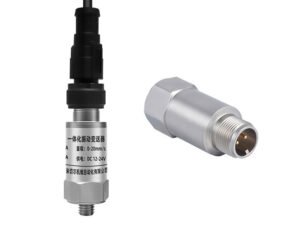
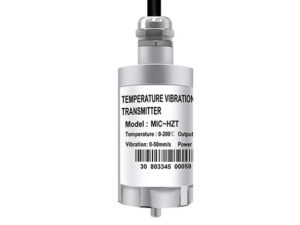
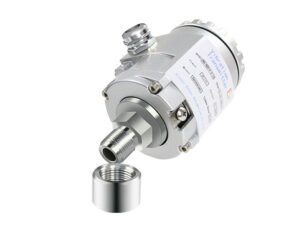
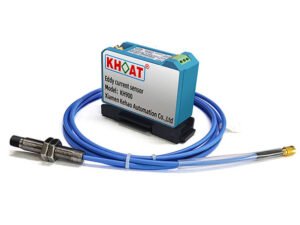
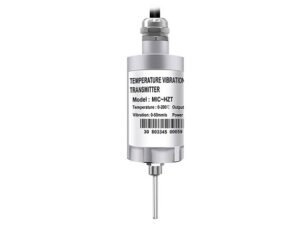
vibration sensors are critical components in machinery condition monitoring, seismic detection, and structural health analysis. To ensure the accuracy, reliability, and long-term stability of these instruments, rigorous testing is essential. As a professional vibration sensor manufacturer, Kehao Automation follows strict international standards to guarantee that every sensor delivers high-performance data in the most demanding environments.
Types of Sensors
Before diving into testing methods, it is important to understand the primary types of sensors used in the industry:
Accelerometers: Measure changes in acceleration, widely used for industrial vibration monitoring.
Velocity Sensors: Measure vibration speed, ideal for seismic monitoring and machine diagnostics.
Displacement Sensors: Measure the physical distance of vibration, used in high-precision laboratory settings.
Key Testing Items & Methodology
To maintain the highest quality, we perform a series of comprehensive tests on our vibration sensors
1. Sensitivity Calibration
Purpose: To define the relationship between output and input, ensuring measurement accuracy.
Method: Using a standard vibration source (back-to-back calibration) according to ISO 16063 standards to verify sensitivity.
2. Frequency Response Testing
Purpose: To evaluate how the sensor performs across different frequency ranges.
Method: A vibration table applies varying frequencies to plot a response curve, ensuring the sensor remains accurate within its specified working range.
3. Transverse Sensitivity & Linearity
Linearity: Ensures the output remains proportional to the input across the full scale.
Transverse Sensitivity: Measures the sensor’s response to vibrations perpendicular to the main axis. Lower transverse sensitivity means better interference rejection.
4. Environmental & Durability Testing
Temperature Characteristics: Evaluating performance stability in extreme heat or cold.
Ingress Protection (IP Rating): Testing for dust and water resistance (e.g., IP68 waterproof vibration sensors) to ensure reliability in harsh outdoor or underwater conditions.
Long-term Stability: Conducting continuous stress tests to analyze performance trends over time.
5. Electrical Safety & Noise Floor
Insulation Resistance: Ensuring electrical safety in high-voltage industrial environments.
Noise Performance: Measuring the self-noise level to ensure high-resolution data in low-vibration environments.
Conclusion
Rigorous testing is the cornerstone of high-quality vibration detection. By validating sensitivity, frequency response, and durability, we ensure that our sensors provide the critical data needed for predictive maintenance and structural safety.
Are you looking for a reliable partner for your monitoring projects? Explore our full range of certified Vibration Sensorsor contact the Kehao technical team for a one-stop testing and solution consultation.